
How to Choose the Right Natural Hair Oil for Your Hair Type (Clean, Non-Toxic Guide)
Choosing the right hair oil can make a real difference to how your hair looks and feels, especially if you’re trying to switch to a more natural, clean, non-toxic routine. With so many options out there, it’s easy to end up using something that either weighs your hair down or doesn’t actually do much. The key is understanding what your hair and scalp actually need, and choosing oils that are high quality and minimally processed.
If you’re focusing on clean beauty, one of the most important things to look for is cold-pressed oils. These are extracted without heat or chemicals, which means they keep more of their natural vitamins, fatty acids, and antioxidants. In simple terms, they’re far more effective for nourishing your hair and supporting long-term health. You’ll often see terms like “cold-pressed,” “unrefined,” or “100% natural” - these are all good signs you’re choosing a better-quality oil.
Not all oils work in the same way. Some oils, like coconut oil, are able to penetrate the hair shaft and help repair from within. Others, like argan oil, sit more on the surface and help smooth, protect, and add shine. A good routine often includes a mix of both, depending on your hair type and how you like to use your oils.
If you have fine or thin hair, lighter oils are always the better option. Heavier oils can quickly make your hair look flat or greasy, even if you only use a small amount. Cold-pressed argan oil and jojoba oil are great choices because they absorb quickly and don’t leave buildup. Jojoba oil is especially useful in a clean routine because it closely mimics your scalp’s natural oil, helping to keep everything balanced without clogging pores.
For thicker, coarser, or drier hair, richer oils tend to work much better. Cold-pressed coconut oil, castor oil, and olive oil can provide deeper nourishment and help lock in moisture. These oils are particularly helpful if your hair is prone to frizz or breakage. Coconut oil is a popular choice because it can actually penetrate the hair shaft and help reduce protein loss, which is key for keeping hair strong.
Curly and textured hair usually needs even more moisture, as natural oils from the scalp don’t travel as easily down the hair. Oils like avocado, sweet almond, and Jamaican black castor oil can help keep curls hydrated, defined, and less prone to breakage. When these oils are cold-pressed, you’re getting the maximum benefit without unnecessary additives.
One area that often gets overlooked is the scalp. Healthy hair starts with a healthy scalp, and this is where scalp oiling can make a big difference. Using natural, non-toxic oils to massage the scalp can help improve circulation, support stronger roots, and create a better environment for hair growth.
If you’re new to scalp oiling, a few good options to start with are:
- Cold-pressed castor oil if you’re focused on thicker-looking hair and strengthening the roots
- Jojoba oil if your scalp tends to be oily or unbalanced
- Coconut oil if you’re dealing with dryness or flakiness
Taking a few minutes to massage the oil into your scalp not only helps distribute the product, but also boosts blood flow, which can support healthier hair growth over time. You can leave the oil on for 30 minutes before washing, or overnight if your hair needs a deeper treatment.
When you’re choosing products, it’s worth avoiding anything that contains:
- Mineral oils or petroleum-based ingredients
- Synthetic fragrances
- Silicones that coat the hair rather than actually nourishing it
Instead, look for brands that focus on botanical ingredients and are clear about what goes into their formulations.
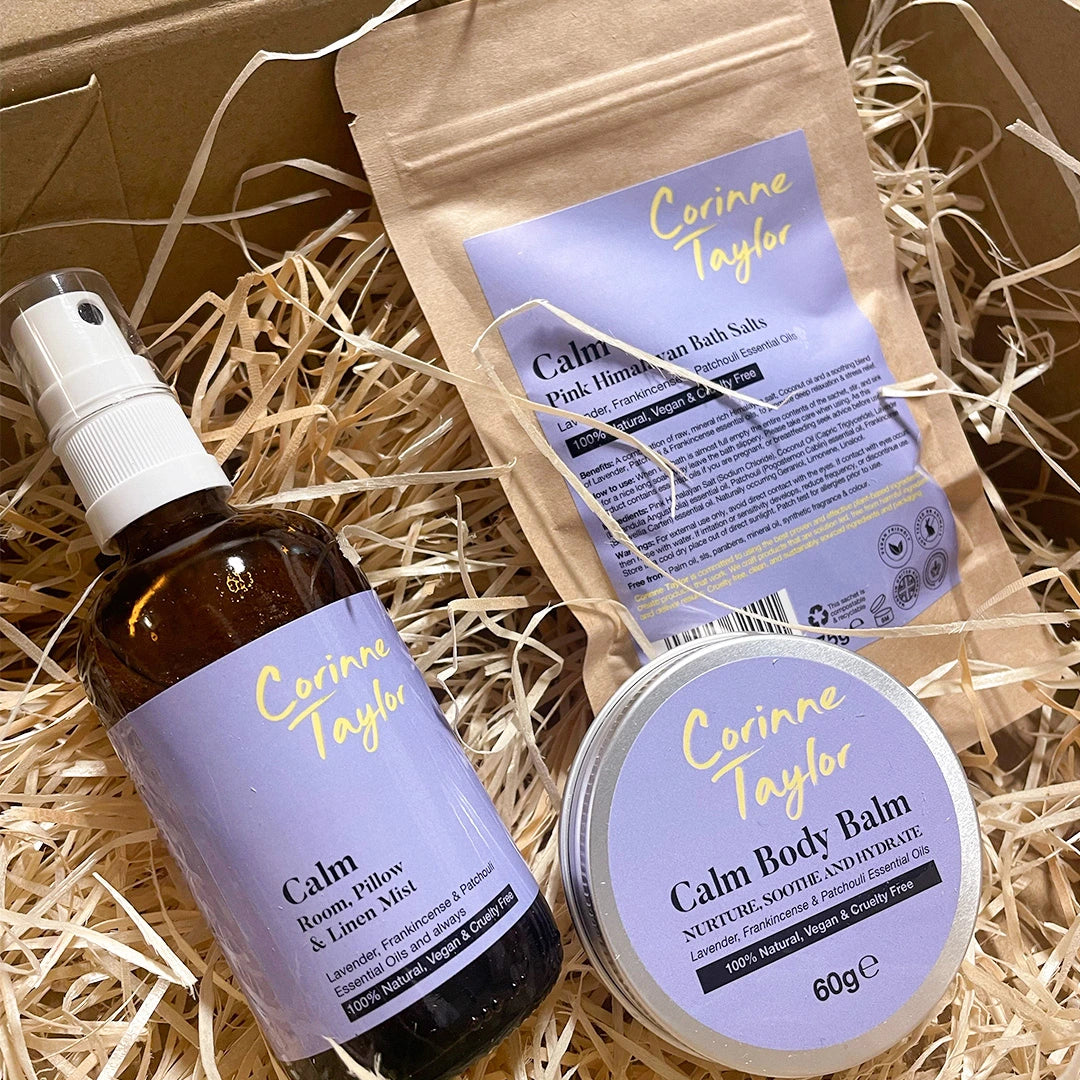
If you’re building a routine around Corinne Taylor, this is where your oil-based products naturally fit in. A lightweight botanical oil is ideal for everyday use to smooth and protect, while a richer treatment oil can be used weekly as a deep conditioning or scalp treatment. Linking directly to your hero hair oil or scalp oil here will help guide customers to the right product depending on their hair type and goals.
It’s also worth remembering that natural hair care is more about consistency than quick fixes. Clean, non-toxic oils don’t give that instant, overly polished finish you sometimes get from synthetic products, but they work in a much more genuine way over time. With regular use, you’ll start to notice stronger, healthier hair that feels better, not just looks it.
In simple terms, choosing the right hair oil comes down to using high-quality, cold-pressed ingredients, matching the oil to your hair type, and not ignoring your scalp. Keep it simple, stay consistent, and your hair will respond.


